Posts

How Cover Crops and Cover Crop Seed Help Farmers

Image
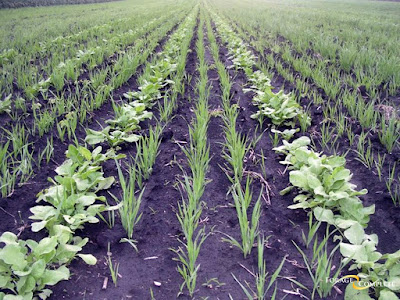
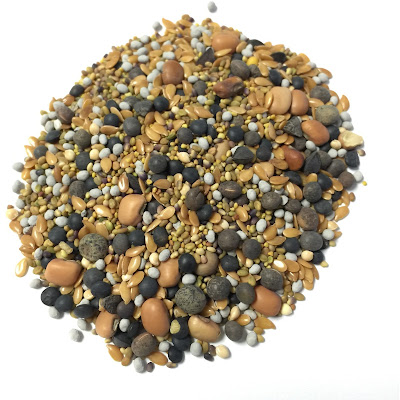
Cover crops—also known as green manure—can be one of a farmer’s very best friends. Not only is it easy to plant and care for cover crop seed , cover crops can: · Improve the soil in which they are grown · Prevent weeds from overrunning the land · Help prevent the spread of various diseases and pests · Allow other crops to grow and flourish Regardless of the size of a particular farming operation, these crops can help any other vegetables that farmers might produce. This article will go over the benefits of planting cover crops seed. After that, we will look at a few examples of good, easy-to-grow cover crops. Benefits of Cover Crops As mentioned above, planting the seeds of cover crop can have help farmland in a variety of ways. These include: Conserving Water and Soil The mulch from cover crops allows more water to permeate the soil in which it grows. It also reduces the amount of water that evaporates from the soil’s surface as wel...
How to Avoid Cattle Bloating Problems with Alfalfa Seedgrazing

Image
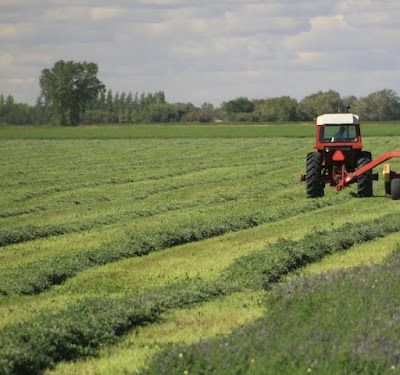
Alfalfa grazing is a time-honored and highly effective practice. It can be grazed alone or with other crops to feed livestock and preserve the health of the soil. Alfalfa is an extremely nutritious vegetable. However, some farmers are leery of letting their cattle graze on alfalfa. What is the reason for this? It is because of eating too much alfalfa can cause bloating in cattle. Why is this so bad? This article will review cattle bloat and what people can do to prevent it from occurring. What is so Bad About Cattle Bloating? Cattle actually like eating alfalfa very much. Alfalfa is an excellent source of protein and easily digested by cows. However, as a cow’s stomach begins to digest alfalfa, problems begin to arise. When cattle digest food, the first two chambers in their stomach start producing gas. Normally, they can simply release this gas by burping. With alfalfa, cows cannot do this. This is because digesting the legume produces both gas and slimy b...

How Alfalfa Helps Soil & Much More

Image
Alfalfa is one of the most important and popular forage crops not just in the United States but around the world (outside of North America, it is called “Lucerne”). What makes it so great? Read below to learn about the wonderful properties of this perennial. Good for People & Animals Alike Alfalfa was introduced to the Americas by the Spanish back in the 1500s. They had already believed for centuries that it made a more effective feed for horses than grasses did. The Spanish were right. Alfalfa is rich in protein and calcium. It also has such vitamins as: • Vitamin B Family • Vitamin C • Vitamin D • Vitamin E Alfalfa’s nutritional value makes it a great addition to the diet of both humans and animals. Today, it is still frequently used for seed grazing with sheep, cattle and other livestock. Farmers can also use alfalfa to feed rabbits and chickens. It is worth noting, however, that eating large amounts of raw alfalfa seed can harm people on different medications...

The Importance of Alfalfa in Farming Operations

Image
Famously known as “The Forage Queen,” alfalfa is one of the most important forage crops in the world. The United States produces more alfalfa than any other country in the world and the top states in terms of overall production are California, Idaho, and Montana. In addition to its value for cattle grazing, hay and silage, alfalfa is very beneficial to organic farming operations as a cover crop and green manure.It reduces expenditures on nitrogen-based fertilizers since, in comparison to other crops—particularly legumes—alfalfa organically introduces higher levels of nitrogen into the soil. Alfalfa is an important crop because of its high biomass production and without the need for supplemental irrigation. As an animal feed, alfalfa is an outstanding staple for horses, cattle (dairy and beef), sheep, chickens, turkeys and other animals. It acts as a rich source of essential vitamins (A, E, K, D, B1, B2, B6, B12, C, and U), minerals (calcium, potassium, manganese, sulfur, an...

The Importance of Alfalfa as a Crop and Animal Feed

Image
Alfalfa is among the most important forage crops in the world. Also known as “The Forage Queen,” it is one the top five crops grown in the United States (the others are corn, soybean, wheat and cotton). What makes it so special? Read below to find out.   Where Does Alfalfa Grow? Alfalfa grows in most of the US. The largest producers include California, Idaho, Montana, South Dakota and North Dakota. According to research, the average annual yield of alfalfa in the US is approximately 3.35 tons per acre. Farmers often grow it with several other plants, including legumes and grasses. Alfalfa is frequently used in biomass energy production. Also, it fixes more nitrogen than any legume crop can. This allows farmers to grow other crops easier and reduce their reliance on expensive nitrogen fertilizers.   Alfalfa in Animal Feed Alfalfa makes excellent animal feed. Not only is it a rich source of minerals and vitamins, it also contains up to 22% of crude protein. It conta...

The Importance of the Cover Crop Seed in Organic Farming

Image
Organic farming is sustainable, profitable and healthy. Organic food gives consumers a nutritious and ethical alternative to the products of industrial agriculture. Organic farming involves using natural fertilizers such as cover crops (also known as “green manure”) and compost manure. Farmers also use techniques like companion planting, mixed planting, crop rotation and biological pest control to produce the best crops. Cover crop seed helps nurture soil in a variety of ways. The biggest benefits of using green manure or cover crops include: • Inhibits soil erosion by water and wind – When a piece of farmland is left bare, it is vulnerable to water and wind erosion. The roots of cover crops hold the soil in place and keep it from getting washed or blown away. They protect the rich topsoil and prevent the compaction of the soil underneath. • They add organic matter to the soil - The matter from organic crops enhances the soil in which it is planted. It provides the soil wit...

Know the Benefits of Cover Crops in Organic Farming Practices

Image
Organic farming involves more than simply farming without chemicals. It also requires rotating crop production, weed and nutrient management techniques and the integration of diverse organic pesticides. Innovative genetics are crucial for maintaining plant health, as chemical-based products cannot be used to control diseases and pests. A fundamental part of any sustainable organic operation is the use of cover crops. Organic farmers utilize cover crops to control weeds, reduce soil erosion and enhance soil quality by introducing organic matter. Because problems can arise due to unsuitable species or poor-quality cover crop seeds , it is essential to source from a trusted and reputable supplier. Important benefits of cover crops include: 1. Erosion Control Cover crops form a protective canopy over the soil, minimizing the impact of rain, high winds and the breakdown of soil aggregates. This increases the soil’s filtration and, most importantly, reduces erosion of the nutrient-ric...

Organic Farming Can Offset the Environmental Effects of Conventional Methods

Image
The farming industry is currently at a crossroads. Farmers across the globe are weighing the pros and cons of continuing with conventional farming methods—including genetically-engineered crops, chemical-based fertilizers, pesticides and herbicides and a general disregard for environmental effects—and those of transitioning to organic systems. Some believe that, from a supply-standpoint, it is important to stick with traditional methods that can feed more people. An increasing number of scientists and experts, however, understand that a shift to organic farming is essential from health, environmental and sustainability perspectives. Research shows that organized farming has existed since around 8,500 BC, when humans started to grow barley, wheat, lentils and other crops. Until this time, people survived by hunting animals and gathering plants. Though the fundamental processes—cultivate, plant, grow and harvest—has remained, farming has gone through innumerable transformations…for...

Reasons Planting Cover Crops is Considered the Best Farming Practice

Image
The adoption of farming practices which utilize organic and sustainable methods is no longer seen as a choice—it has become a necessity in many parts of the world. While it is an undeniable fact that chemical-based fertilizers and pesticides usher dramatically increased yields, they also degrade the quality of soil and pollute the underground water supply, both with potentially catastrophic long-term effects. We simply cannot continue to employ the traditional agricultural practices that involve exploitation of soil and water. Cover crops are plants which are introduced into fields to organically suppress many types of weeds, repel pests and improve soil quality and fertility. In addition to these benefits, farmers across the globe are recognizing the value of cover crops in increasing annual yields of organic commodities and also the prevention of soil erosion and harmful diseases. Any discussion of the sustainable future of agriculture must include mention of cove...

The Benefits of Planting Alfalfa

Image
Alfalfa is commonly referred to as “Queen of the Forages” and is the fourth most widely grown crop in the US. Alfalfa is preferred by many farmers because it is comparatively easy to grow and thrives in a variety of climates and soil types. It is also a valuable component of successful sustainable agricultural programs around the world. A sample of alfalfa’s many benefits include: Soil Protection Alfalfa is a deep-rooted crop (often up to twelve inches below the surface) and, as it grows, forms a dense canopy covering the soil. These traits help hold the valuable topsoil intact and prevent it from being carried away by water erosion and wind, thereby reducing runoff. Its natural canopy also helps to suppress the growth of a variety of weeds. Nitrogen Balance Bacteria growing on the roots of alfalfa biologically balance the nitrogen content in soil without the application of supplemental fertilizers. Additionally, because alfalfa plants remain in the ground f...

How Alfalfa Benefits Organic Farming Methods

Image
The dramatic increase in the use of artificial fertilizers and pesticides over the past few decades has caused significant deterioration in soil quality. Though it is an undeniable fact that chemical-based fertilizers increase crops’ yields, one of the downsides is that a portion of residual fertilizer makes its way into the water supply and causes contamination and eutrophication. Eutrophication has severely affected aquatic life in regions across the globe. from this, use of synthetic fertilizers in place of ‘organic’ or ‘green’ manure-cover crops grown into the soil-can deplete nutritional value of the soil after a period of time. The detrimental impact of artificial fertilizers, pesticides and genetically modified crops on the environment and public’s health has escalated the need for organic farming methods. For example, non gmo alfalfa seed is now planted by more and more organic farmers to suppress weeds, reduce surface crusting, add active organic matter to the soil an...

Organic Farming is a Better Approach Than Conventional Methods

Image
Could organic farming really be the solution to our intensifying global food system challenges? An increasing number of individuals—from farmers and consumers to scientists and international supply organizations—are realizing that organic farming provides both the health and environmental benefits necessary to help usher in an exciting new era of farming. Critics, however, purport that any benefits of organic farming are grossly exaggerated, that it leads to lower-yielding crops and involves higher operating costs and, thus, cannot sustain the world's food supply. Time will tell whether organic farming becomes more mainstream but, in the meantime, it brings up these important questions: How does organic farming benefit the environment? The fundamental attribute of organic farming is that it does not involve the use of pesticides and synthetic fertilizers, which are essential in conventional mass farming methods. Over time, these chemical-based fertilizers not only dimi...

Maintain Soil Fertility with Organic Farming Approach and NuTech Seeds

Image
Cover crops are essential for boosting the nutritional content of the soil, which naturally diminishes with the routine planting of crops. Cover crops not only prevent erosion but also reintroduce nitrogen into the soil and, thus, are vital for operations ranging from large commercial farms to a personal backyard garden. However, finding cover crop seed is not an easy task and it is important to partner with a reliable source to generate quality results. Forage Complete is that reliable source and is a leading supplier of cover crops and organic seed products. Forage Complete is an exclusive retailer of NuTech Seed in Washington, Oregon, Idaho, Utah, and Nevada. It is a well-known supplier of the latest top-quality alfalfa, corn and organic seed products. Agriculture has evolved tremendously over the years…the days of a simple horse-drawn plow and hand-harvesting with sickles and scythes are gone and we now have high-yield and genetically-modified hybrid seeds a...

Organic Crops Produce Higher Yield Without Deteriorating Soil Quality

Image
With the introduction and development of organic farming, each process—from preparing soil to planting and harvesting—has completely changed. Organic farming is a pesticide-free production method, ensuring food safety without compromising on overall quality. Pesticides are chemicals that, when applied to plants, kill potentially-damaging pests such as aphids, rodents, fruit flies, bacteria and more. Organic farming involves the use of a specialized variety of high-yield seeds which do not attract pests and, thus, do not require the use of pesticides. These organic crops do need artificial fertilizers to enhance their growth but this is accomplished without the harmful chemicals used in traditional fertilizers that negatively affect the safety and quality of the crop and soil. High-quality alfalfa , soybean and similar organic seeds have contributed to the rise in popularity of organic farming. Increasingly, farmers are transitioning toward organic farming as a m...