Posts

Showing posts with the label Alfalfa

How Alfalfa Helps Soil & Much More

Image
Alfalfa is one of the most important and popular forage crops not just in the United States but around the world (outside of North America, it is called “Lucerne”). What makes it so great? Read below to learn about the wonderful properties of this perennial. Good for People & Animals Alike Alfalfa was introduced to the Americas by the Spanish back in the 1500s. They had already believed for centuries that it made a more effective feed for horses than grasses did. The Spanish were right. Alfalfa is rich in protein and calcium. It also has such vitamins as: • Vitamin B Family • Vitamin C • Vitamin D • Vitamin E Alfalfa’s nutritional value makes it a great addition to the diet of both humans and animals. Today, it is still frequently used for seed grazing with sheep, cattle and other livestock. Farmers can also use alfalfa to feed rabbits and chickens. It is worth noting, however, that eating large amounts of raw alfalfa seed can harm people on different medications...

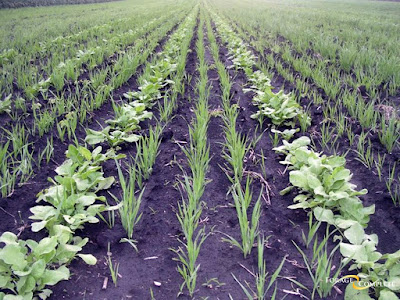
The Importance of Alfalfa in Farming Operations

Image
Famously known as “The Forage Queen,” alfalfa is one of the most important forage crops in the world. The United States produces more alfalfa than any other country in the world and the top states in terms of overall production are California, Idaho, and Montana. In addition to its value for cattle grazing, hay and silage, alfalfa is very beneficial to organic farming operations as a cover crop and green manure.It reduces expenditures on nitrogen-based fertilizers since, in comparison to other crops—particularly legumes—alfalfa organically introduces higher levels of nitrogen into the soil. Alfalfa is an important crop because of its high biomass production and without the need for supplemental irrigation. As an animal feed, alfalfa is an outstanding staple for horses, cattle (dairy and beef), sheep, chickens, turkeys and other animals. It acts as a rich source of essential vitamins (A, E, K, D, B1, B2, B6, B12, C, and U), minerals (calcium, potassium, manganese, sulfur, an...

Reasons Planting Cover Crops is Considered the Best Farming Practice

Image
The adoption of farming practices which utilize organic and sustainable methods is no longer seen as a choice—it has become a necessity in many parts of the world. While it is an undeniable fact that chemical-based fertilizers and pesticides usher dramatically increased yields, they also degrade the quality of soil and pollute the underground water supply, both with potentially catastrophic long-term effects. We simply cannot continue to employ the traditional agricultural practices that involve exploitation of soil and water. Cover crops are plants which are introduced into fields to organically suppress many types of weeds, repel pests and improve soil quality and fertility. In addition to these benefits, farmers across the globe are recognizing the value of cover crops in increasing annual yields of organic commodities and also the prevention of soil erosion and harmful diseases. Any discussion of the sustainable future of agriculture must include mention of cove...

The Benefits of Planting Alfalfa

Image
Alfalfa is commonly referred to as “Queen of the Forages” and is the fourth most widely grown crop in the US. Alfalfa is preferred by many farmers because it is comparatively easy to grow and thrives in a variety of climates and soil types. It is also a valuable component of successful sustainable agricultural programs around the world. A sample of alfalfa’s many benefits include: Soil Protection Alfalfa is a deep-rooted crop (often up to twelve inches below the surface) and, as it grows, forms a dense canopy covering the soil. These traits help hold the valuable topsoil intact and prevent it from being carried away by water erosion and wind, thereby reducing runoff. Its natural canopy also helps to suppress the growth of a variety of weeds. Nitrogen Balance Bacteria growing on the roots of alfalfa biologically balance the nitrogen content in soil without the application of supplemental fertilizers. Additionally, because alfalfa plants remain in the ground f...