Posts

Reasons Planting Cover Crops is Considered the Best Farming Practice
Image
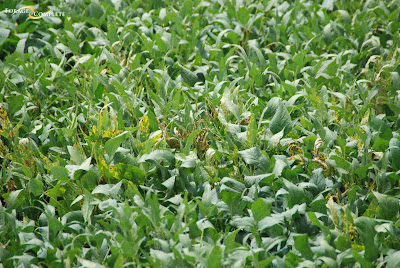
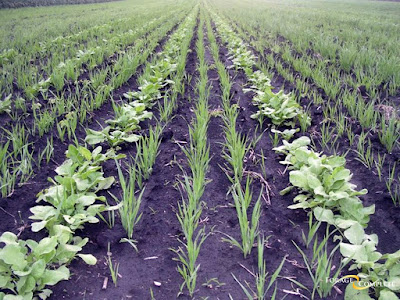
The adoption of farming practices which utilize organic and sustainable methods is no longer seen as a choice—it has become a necessity in many parts of the world. While it is an undeniable fact that chemical-based fertilizers and pesticides usher dramatically increased yields, they also degrade the quality of soil and pollute the underground water supply, both with potentially catastrophic long-term effects. We simply cannot continue to employ the traditional agricultural practices that involve exploitation of soil and water. Cover crops are plants which are introduced into fields to organically suppress many types of weeds, repel pests and improve soil quality and fertility. In addition to these benefits, farmers across the globe are recognizing the value of cover crops in increasing annual yields of organic commodities and also the prevention of soil erosion and harmful diseases. Any discussion of the sustainable future of agriculture must include mention of cove...

The Benefits of Planting Alfalfa

Image
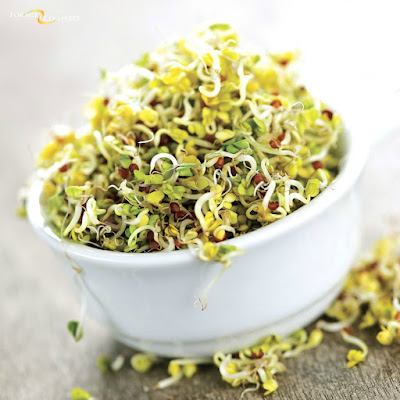
Alfalfa is commonly referred to as “Queen of the Forages” and is the fourth most widely grown crop in the US. Alfalfa is preferred by many farmers because it is comparatively easy to grow and thrives in a variety of climates and soil types. It is also a valuable component of successful sustainable agricultural programs around the world. A sample of alfalfa’s many benefits include: Soil Protection Alfalfa is a deep-rooted crop (often up to twelve inches below the surface) and, as it grows, forms a dense canopy covering the soil. These traits help hold the valuable topsoil intact and prevent it from being carried away by water erosion and wind, thereby reducing runoff. Its natural canopy also helps to suppress the growth of a variety of weeds. Nitrogen Balance Bacteria growing on the roots of alfalfa biologically balance the nitrogen content in soil without the application of supplemental fertilizers. Additionally, because alfalfa plants remain in the ground f...

How Alfalfa Benefits Organic Farming Methods

Image
The dramatic increase in the use of artificial fertilizers and pesticides over the past few decades has caused significant deterioration in soil quality. Though it is an undeniable fact that chemical-based fertilizers increase crops’ yields, one of the downsides is that a portion of residual fertilizer makes its way into the water supply and causes contamination and eutrophication. Eutrophication has severely affected aquatic life in regions across the globe. from this, use of synthetic fertilizers in place of ‘organic’ or ‘green’ manure-cover crops grown into the soil-can deplete nutritional value of the soil after a period of time. The detrimental impact of artificial fertilizers, pesticides and genetically modified crops on the environment and public’s health has escalated the need for organic farming methods. For example, non gmo alfalfa seed is now planted by more and more organic farmers to suppress weeds, reduce surface crusting, add active organic matter to the soil an...

Organic Farming is a Better Approach Than Conventional Methods

Image
Could organic farming really be the solution to our intensifying global food system challenges? An increasing number of individuals—from farmers and consumers to scientists and international supply organizations—are realizing that organic farming provides both the health and environmental benefits necessary to help usher in an exciting new era of farming. Critics, however, purport that any benefits of organic farming are grossly exaggerated, that it leads to lower-yielding crops and involves higher operating costs and, thus, cannot sustain the world's food supply. Time will tell whether organic farming becomes more mainstream but, in the meantime, it brings up these important questions: How does organic farming benefit the environment? The fundamental attribute of organic farming is that it does not involve the use of pesticides and synthetic fertilizers, which are essential in conventional mass farming methods. Over time, these chemical-based fertilizers not only dimi...

Maintain Soil Fertility with Organic Farming Approach and NuTech Seeds

Image
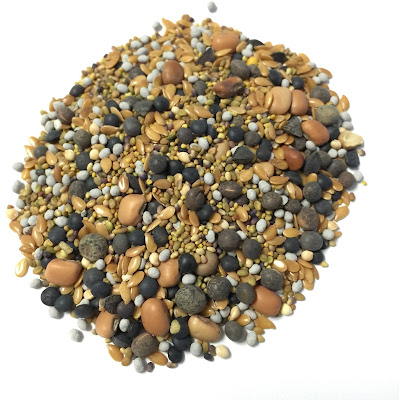
Cover crops are essential for boosting the nutritional content of the soil, which naturally diminishes with the routine planting of crops. Cover crops not only prevent erosion but also reintroduce nitrogen into the soil and, thus, are vital for operations ranging from large commercial farms to a personal backyard garden. However, finding cover crop seed is not an easy task and it is important to partner with a reliable source to generate quality results. Forage Complete is that reliable source and is a leading supplier of cover crops and organic seed products. Forage Complete is an exclusive retailer of NuTech Seed in Washington, Oregon, Idaho, Utah, and Nevada. It is a well-known supplier of the latest top-quality alfalfa, corn and organic seed products. Agriculture has evolved tremendously over the years…the days of a simple horse-drawn plow and hand-harvesting with sickles and scythes are gone and we now have high-yield and genetically-modified hybrid seeds a...

Organic Crops Produce Higher Yield Without Deteriorating Soil Quality

Image
With the introduction and development of organic farming, each process—from preparing soil to planting and harvesting—has completely changed. Organic farming is a pesticide-free production method, ensuring food safety without compromising on overall quality. Pesticides are chemicals that, when applied to plants, kill potentially-damaging pests such as aphids, rodents, fruit flies, bacteria and more. Organic farming involves the use of a specialized variety of high-yield seeds which do not attract pests and, thus, do not require the use of pesticides. These organic crops do need artificial fertilizers to enhance their growth but this is accomplished without the harmful chemicals used in traditional fertilizers that negatively affect the safety and quality of the crop and soil. High-quality alfalfa , soybean and similar organic seeds have contributed to the rise in popularity of organic farming. Increasingly, farmers are transitioning toward organic farming as a m...